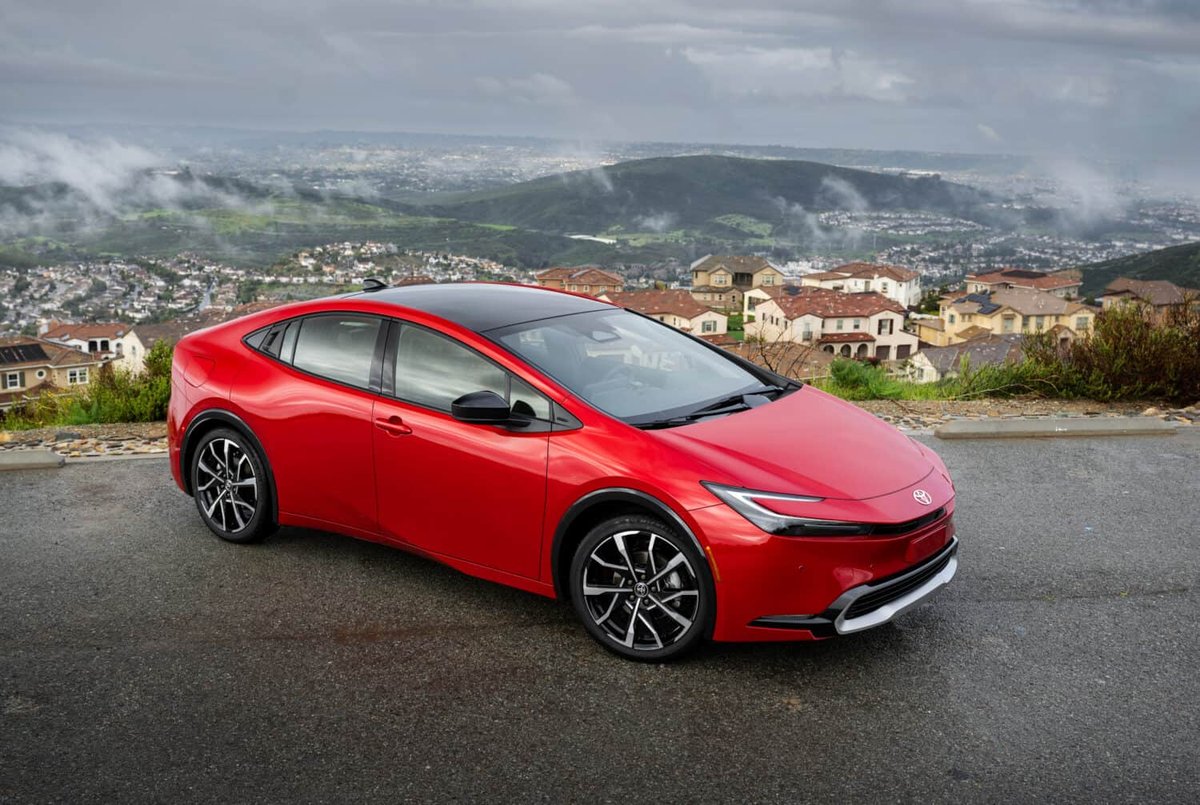
When we talk about groundbreaking strides in fuel efficiency and sustainable driving, the Toyota Prius is often the first name that comes to mind. But within that storied lineage lies an even more intriguing chapter: the Toyota Prius Prime: Evolution of the Plug-in Hybrid Model. It's a journey from a niche experiment to a highly sought-after vehicle, perfectly bridging the gap between traditional hybrids and all-electric cars. For drivers seeking the best of both worlds—electric commuting without range anxiety—the Prius Plug-in Hybrid, known for years as the Prius Prime, has continuously refined its promise.
This isn't just a car; it's a statement about where personal transportation is headed, offering practical solutions that adapt to modern life. If you've ever wondered how this innovative plug-in hybrid came to be, what makes each generation distinct, and whether it’s the right fit for your driveway, you’re in the right place.
At a Glance: Key Takeaways from the Prius Plug-in Hybrid's Journey
- Early Innovator: The concept emerged in 2009, based on the third-generation Prius, demonstrating Toyota's early commitment to plug-in technology.
- First Generation (2012-2016): Introduced an 11-mile EPA-rated all-electric range and achieved 95 mpg-e, setting a foundational standard.
- Second Generation (Prius Prime, 2016-2024): Doubled the EV range to 25 miles, boasted an impressive 133 mpg-e, and added significant features like optional solar charging and expanded seating.
- Third Generation (2023-Present): Revolutionized performance with 220 hp and a 0-60 mph time of 6.6 seconds, alongside a larger 13.6 kWh battery delivering up to 44 miles of EV range.
- Naming Evolution: Known as Prius PHV globally, rebranded to Prius Prime for North America, South Korea, and New Zealand (2016-2024), and will revert to Prius Plug-in Hybrid globally for the 2025 model year.
- Ongoing Relevance: Continuously earns accolades, like the 2024 North American Car of the Year, solidifying its role as a leader in efficient, practical motoring.
The Genesis of Plug-in Power: From Concept to Reality
Before it became a common sight on highways, the idea of a plug-in Prius was a bold one. Toyota, already a pioneer with its conventional hybrid synergy drive, began exploring how to offer extended electric-only driving. The journey began with a concept that would lay the groundwork for years of innovation.
The Pioneering Concept (2009-2011)
Toyota first showcased the Prius Plug-in Hybrid concept in September 2009. This wasn't just a pretty show car; it was a serious testbed based on the robust third-generation Toyota Prius (XW30). The initial prototypes featured a 5.2 kWh lithium-ion battery pack—a significant step up from the nickel-metal hydride batteries in standard Priuses—designed to provide a tangible all-electric range.
To truly understand its potential, Toyota initiated a global demonstration program in late 2009. This involved deploying 600 pre-production test cars across multiple countries, including the US, Japan, and various European nations. These demonstrators, utilizing a unique three-battery system for managing both all-electric and hybrid modes, revealed impressive early results. In Japan, they achieved a remarkable JC08 cycle fuel efficiency of 1.76 L/100 km (134 mpg-US) with only 41 g/km CO2, improving to 3.3 L/100 km (72 mpg-US) in hybrid mode. European trials independently confirmed its efficiency, showing 36% less fuel consumption than comparable diesel vehicles. This intensive testing wasn't just about collecting data; it was about refining the technology to ensure it met Toyota's stringent reliability and efficiency standards before reaching consumers.
First Generation: The Plug-in Hybrid Takes the Stage (2012-2016)
With promising test results in hand, Toyota officially unveiled the first-generation production model of the Prius Plug-in Hybrid in September 2011, launching it for the 2012 model year. This marked the true public debut of the car that would eventually evolve into the Prius Prime.
Core Specifications and Driver Experience
This initial production model, still based on the third-generation Prius (XW30), packed a slightly smaller but optimized 4.4 kWh lithium-ion battery. This choice balanced cost, weight, and performance. When it came to all-electric range, the EPA rated it at 18 km (11 miles) in blended mode (meaning it could use a little gas if needed for acceleration) and 10 km (6 miles) in pure EV mode. For many commuters, those 11 miles were enough to cover a significant portion of their daily drive solely on electric power. Its efficiency in EV mode was rated at an impressive 95 mpg-e (miles per gallon equivalent, a metric for electric vehicles), showcasing its energy-saving prowess.
Once the electric range was depleted, or if more power was needed, the car seamlessly transitioned into hybrid mode, achieving 4.7 L/100 km (50 mpg-US), matching the conventional Prius of its time. The maximum EV speed was a respectable 100 km/h (62 mph), meaning drivers could stay in electric mode even on moderate highways.
Under the hood, it featured a familiar 1.8-liter Atkinson cycle engine paired with dual electric motors, delivering a combined 134 bhp. This provided ample power for daily driving while prioritizing fuel economy. Charging was straightforward: it took about 180 minutes at a standard 120V household outlet or a swift 90 minutes at a 240V level 2 charger.
Beyond the powertrain, the first-generation model came well-equipped with standard features that emphasized comfort and convenience, including heated front seats, remote AC, an integrated navigation system, and stylish LED daytime running lights.
Market Reception and Incentives
The first-generation Prius Plug-in Hybrid found its footing surprisingly quickly. By April 2016, cumulative global sales had reached 75,400 units, indicating a strong market appetite for this nascent technology. In the US, its appeal was further boosted by qualifying for a $2,500 federal tax credit, making the advanced technology more accessible to a wider audience. This early success proved that the plug-in hybrid concept wasn't just viable—it was desirable.
Second Generation: The "Prime" Era and Expanded Capabilities (2016-2022)
Building on the lessons learned from its predecessor, Toyota launched the second-generation plug-in hybrid in late 2016. This generation marked a significant evolution, not just in technology but also in branding. In key markets like North America, South Korea, and New Zealand, it was officially christened the "Prius Prime," while continuing as Prius PHV (Plug-in Hybrid Vehicle) elsewhere.
Significant Upgrades and the "Prime" Difference
The second-generation Prius Prime was built on the more advanced fourth-generation Toyota Prius platform (XW50), benefiting from its improved aerodynamics and handling. The biggest leap forward was its significantly larger 8.8 kWh lithium-ion battery pack. This nearly doubled the all-electric range, giving drivers an EPA-rated 40 km (25 mi) on a single charge. This was a game-changer for many, allowing a much greater portion of daily commutes to be completed without consuming a drop of gasoline.
Its efficiency soared, achieving an astonishing 133 mpg-e (25.3 kW·h/100 mi) in EV mode. At the time, this was the highest efficiency rating of any vehicle with an internal combustion engine, a testament to Toyota's engineering prowess. When running in hybrid mode, it delivered 4.4 L/100 km (54 mpg-US), an improvement over the first generation. Critically, this generation could run entirely on electricity in pure EV mode, even at higher speeds, with a maximum EV speed of 135 km/h (84 mph).
Charging times also saw an improvement, despite the larger battery: 5.5 hours at 120V and a much faster 2.2 hours at 240V. Toyota even introduced an innovative optional solar roof charging system in Japan, capable of adding up to 6.1 km (3.8 miles) of range per day, primarily while parked.
Refinements and Market Impact
The Prius Prime continued to evolve. For the 2020 model year refresh, Toyota addressed a common critique by increasing the car's seating capacity to five passengers, moving away from the previous four-seat configuration. It also gained standard Apple CarPlay and Sirius XM, integrating modern connectivity that drivers expected.
The federal tax credit in the US also increased to $4,500, making the Prime an even more attractive proposition. This generation truly solidified the Prius Plug-in Hybrid's place in the market. By December 2019, cumulative global sales for both generations combined had reached an impressive 209,000 units, demonstrating the growing demand for plug-in hybrids. For a deeper dive into how the Prius has evolved over the years, consider exploring All Toyota Prius generations.
Third Generation: Performance, Power, and New Horizons (2023-Present)
The latest chapter in the Prius Plug-in Hybrid story unfolded in November 2022 with the unveiling of its third generation. This iteration isn't just an evolution; it's a revolution, addressing previous criticisms regarding performance and further extending its electric capabilities.
A Powerful Transformation
This new generation delivers a significant increase in power and dynamic driving feel. It pairs a more robust 2.0-liter M20A-FXS four-cylinder engine with a potent electric motor, resulting in a total system output of 164 kW (220 hp; 223 PS). This represents an astounding 82% increase in horsepower over the previous generation, transforming the Prime into a surprisingly spirited performer. The proof is in the acceleration: it can sprint from 0-97 km/h (0-60 mph) in just 6.6 seconds, a feat that would have been unimaginable for a Prius a decade ago.
The battery technology also takes another leap forward. It features a larger 13.6 kWh lithium-ion battery pack, pushing the manufacturer-estimated electric driving range even further. The SE grade boasts an estimated 70 km (44 miles), while the XSE grades offer around 65 km (39 miles). This extended range makes it even easier for more drivers to complete their daily commutes solely on electric power.
For those seeking maximum efficiency and convenience, the XSE Premium trim offers optional solar panels integrated under its glass roof. These panels can charge the battery while the car is parked and even provide supplemental power while driving, further enhancing its eco-credentials.
Advanced Safety and Connectivity
The third-generation Prius Prime also comes equipped with the latest iteration of Toyota Safety Sense (TSS) 3.0. This comprehensive suite of safety features includes advanced driver-assistance systems like a pre-collision system with pedestrian detection, lane departure alert with steering assist, and dynamic radar cruise control. A standout new feature is Traffic Jam Assist, which allows for hands-free driving under 40 km/h (25 mph) in congested traffic, significantly reducing driver fatigue.
A Name Change and Industry Recognition
In a move to standardize its global nomenclature and provide clearer description, Toyota announced that for the 2025 model year, the Prius Prime will be renamed to the Prius Plug-in Hybrid globally. This change reflects the vehicle's core identity more directly.
This generation’s excellence hasn't gone unnoticed. In January 2024, the Prius Prime (alongside the regular Prius) was awarded the prestigious 2024 North American Car of the Year, a testament to its compelling design, efficiency, and newfound performance.
Why a Plug-in Hybrid? Understanding the Prime's Enduring Appeal
The evolution of the Prius Prime highlights a fundamental question: why choose a plug-in hybrid over a conventional hybrid or a full electric vehicle (EV)? The answer lies in its unique balance and the practical benefits it offers to a wide range of drivers.
The Best of Both Worlds
A plug-in hybrid like the Prius Prime acts as a bridge technology, offering the immediate benefits of electric driving without the range anxiety often associated with pure EVs.
- Electric Commutes: For many, the extended EV range of the Prime (25-44 miles, depending on the generation) is more than enough to cover daily commutes, errands, and local driving, allowing them to operate on pure electricity for most of their routine. This translates directly to zero tailpipe emissions during these electric-only trips and significant fuel savings.
- No Range Anxiety: When the electric battery is depleted, or if you embark on a long road trip, the gasoline engine seamlessly kicks in, providing hybrid power and traditional refueling flexibility. You never have to worry about finding a charging station on a long journey, a common concern for EV owners.
- Environmental Benefits: By enabling significant electric-only driving, PHEVs like the Prime reduce overall greenhouse gas emissions and reliance on fossil fuels, making them a greener choice than conventional gasoline vehicles.
- Cost Savings: Lower fuel costs from electric driving, combined with potential tax credits and incentives, can lead to substantial long-term savings.
Essentially, the Prius Prime caters to drivers who want to dip their toes into electric mobility without committing entirely to the current charging infrastructure realities of pure EVs. It’s a versatile solution that adapts to various driving needs and lifestyles.
Choosing Your Prius Plug-in Hybrid: Key Considerations
With three distinct generations, deciding which Prius Plug-in Hybrid is right for you involves weighing several factors. Each generation offers a compelling package, but understanding your priorities will guide your choice.
1. Your Daily Commute and Charging Access
- Electric Range: How far do you typically drive in a day?
- First Gen (11 miles EV range): Best for very short commutes or if you plan to use electric mode sparingly.
- Second Gen (25 miles EV range): Ideal for average commutes (e.g., 10-15 miles each way), allowing most daily driving to be electric.
- Third Gen (39-44 miles EV range): Excellent for longer commutes or if you want to maximize your electric-only driving, potentially covering a full day's driving without using gas.
- Charging: Do you have access to charging at home or work? A 240V (Level 2) charger significantly speeds up charging, making it easier to top up daily. Even a 120V outlet is sufficient, especially for the earlier generations, but takes longer.
2. Performance and Driving Dynamics
- First & Second Gen: Focus heavily on efficiency, with adequate but not exhilarating performance (134 hp for first, similar for second, though with better EV speeds).
- Third Gen: If performance matters to you, the 220 hp and 6.6-second 0-60 mph time of the latest generation make it a clear winner. It's designed to be more engaging to drive.
3. Features and Technology
- Older Gens: Still offer solid features for their time (heated seats, navigation).
- Second Gen (2020 refresh): Introduced five-passenger seating, Apple CarPlay, and an optional solar roof in some markets.
- Third Gen: Boasts advanced Toyota Safety Sense 3.0, Traffic Jam Assist, a more modern interior, and a more robust optional solar roof. If cutting-edge safety and connectivity are priorities, the latest model stands out.
4. Budget and Availability
- Used Market: The first and second generations offer excellent value on the used market, making plug-in hybrid technology more accessible.
- New Purchase: The third generation, while pricier, comes with the latest technology, performance, and potentially full tax credits, offering the most refined experience.
By aligning these considerations with your personal needs and preferences, you can confidently choose the Prius Plug-in Hybrid that best fits your lifestyle and budget.
Frequently Asked Questions About the Prius Plug-in Hybrid
Getting to grips with plug-in hybrid technology can bring up a few questions. Here are some of the most common inquiries about the Prius Prime (and its evolving name).
What's the fundamental difference between a regular Toyota Prius and a Prius Prime (or Plug-in Hybrid)?
The core difference lies in their battery size and charging method. A regular Prius is a "self-charging hybrid" with a smaller battery that recharges solely through regenerative braking and the gasoline engine. It cannot be plugged in and offers very limited, if any, pure electric range. The Prius Prime (or Plug-in Hybrid) has a much larger battery that can be plugged into an external power source to recharge, allowing for a significant all-electric driving range before the gasoline engine even needs to kick in.
How far can a Prius Prime go on electricity alone?
This depends on the generation:
- First Generation (2012-2016): EPA-rated 18 km (11 miles) in blended EV mode.
- Second Generation (2016-2024): EPA-rated 40 km (25 miles) in pure EV mode.
- Third Generation (2023-Present): Manufacturer-estimated 70 km (44 miles) for SE grade and 65 km (39 miles) for XSE grades.
How long does it take to charge a Prius Plug-in Hybrid?
Charging times vary by generation and power source:
- First Generation (4.4 kWh battery): Approximately 3 hours at 120V (Level 1) or 1.5 hours at 240V (Level 2).
- Second Generation (8.8 kWh battery): Approximately 5.5 hours at 120V (Level 1) or 2.2 hours at 240V (Level 2).
- Third Generation (13.6 kWh battery): While specific figures vary by region, it generally takes around 11 hours at 120V (Level 1) or approximately 4-5 hours at 240V (Level 2).
Is the optional solar roof charging system worth it?
The solar roof, offered on select trims of the second and third generations, provides supplemental charging. While it won't fully recharge your battery quickly, it can add a few miles of electric range per day, especially when parked in direct sunlight. For some, this "free" range is a valuable bonus, extending their electric driving slightly and contributing to overall efficiency. For others, the cost of the option may outweigh the benefit, particularly if they have easy access to plug-in charging. It's a "nice-to-have" feature rather than a necessity.
What's the difference between Prius Prime and Prius Plug-in Hybrid?
They are essentially the same vehicle, with the name varying by region and model year. From 2016 to 2024, the vehicle was known as the "Prius Prime" in North America, South Korea, and New Zealand, while globally it was often referred to as the "Prius PHV" (Plug-in Hybrid Vehicle). For the 2025 model year, Toyota decided to standardize the name globally to "Prius Plug-in Hybrid" for clarity and consistency. So, if you hear either name, they are referring to Toyota's plug-in hybrid Prius model.
The Future is Electric (and Hybrid): Where the Plug-in Hybrid Fits In
The journey of the Toyota Prius Prime, from an experimental concept to an award-winning vehicle, underscores a crucial truth about the automotive industry: diversification is key. While all-electric vehicles are gaining traction, the plug-in hybrid segment, spearheaded by models like the Prius Plug-in Hybrid, remains incredibly relevant.
Toyota's strategy has always been to offer "mobility for all," recognizing that a single solution won't fit every driver or region. PHEVs like the Prime serve as an ideal transition technology, allowing drivers to experience the benefits of electric driving without needing a fully built-out charging infrastructure or making a full leap to EV ownership. They offer freedom from range anxiety while significantly reducing emissions and fuel consumption.
As battery technology improves, charging networks expand, and public awareness grows, the role of the plug-in hybrid will likely continue to evolve. It may eventually serve as a stepping stone for many drivers towards full electrification, or remain a practical choice for those with mixed driving needs and limited charging access. The Prius Plug-in Hybrid's continuous refinement demonstrates Toyota's belief in this segment's enduring value, proving that smart, adaptable technology can empower drivers on the road to a more sustainable future.
Making the Switch: Is a Prius Plug-in Hybrid Right For You?
Considering the impressive evolution of the Toyota Prius Prime (now the Prius Plug-in Hybrid), it’s clear this vehicle has carved out a significant niche. If you’re eyeing a cleaner, more efficient way to drive, here’s a final thought on whether it's your next perfect match.
If your daily commute falls within the electric range of the Prime—especially the newer generations—and you have convenient access to home or workplace charging, then this vehicle offers a compelling proposition. You’ll significantly reduce your gasoline consumption, enjoy the quiet, responsive drive of an electric car for most of your trips, and still retain the freedom of a hybrid for longer journeys without ever needing to worry about finding an EV charger far from home.
The latest third-generation model, with its potent performance, extended EV range, and advanced safety features, offers a surprisingly dynamic and sophisticated driving experience that transcends its economical roots. Even earlier generations provide excellent value and proven reliability.
Ultimately, the Prius Plug-in Hybrid isn't just about saving fuel; it's about flexibility, practicality, and making a tangible step toward a more sustainable lifestyle without compromise. It’s a smart choice for the mindful driver who demands efficiency, reliability, and the power of choice.