When you're sifting through the used car market, looking for a blend of reliability, practicality, and genuine efficiency, the Third Generation Toyota Prius (XW30) Analysis often leads to a compelling discovery. This isn't just another hybrid; it's a silent revolution that, nearly two decades after its initial debut, continues to punch above its weight class, offering an enduring proposition for savvy buyers.
Toyota's XW30 generation, produced from 2009 to 2015, wasn't merely an update; it was a significant evolution. It took the groundwork laid by its predecessors – the pioneering XW10 and the popular XW20 – and refined it into a car that aimed squarely at the mainstream family market. The result? A vehicle that’s not just eco-conscious but genuinely usable, comfortable, and remarkably trouble-free. If you're considering one, you're looking at a smart investment that still delivers on its promises.
At a Glance: Your Quick Takeaway on the XW30 Prius
- Production Years: 2009–2015
- Engine: 1.8-litre hybrid, 134bhp combined output.
- Key Improvement: Significantly more powerful and efficient than its 1.5L, 98bhp predecessor.
- Fuel Economy: Class-leading for a five-seat family car at its introduction.
- Space: Generous cabin and boot (446-1120 litres), excellent rear legroom.
- Aerodynamics: Sleek 0.25Cd drag coefficient.
- Reliability: Noted for being remarkably trouble-free; previous generation quirks largely addressed.
- Common Issues: Potential excessive oil use in some 2010 models, infotainment screen glitches.
- Used Value: Represents decent value, with affordable parts and strong longevity.
- Driving Feel: Practical and refined, not a sports car, but sure-footed for daily use.
A Leap Forward: Understanding the XW30's Genesis
To truly appreciate the XW30, it helps to understand where it came from. The first two generations of the Prius laid the foundation, but the third generation aimed higher. Toyota designed the XW30 to be greener, more frugal, larger, and importantly, more powerful. The goal was clear: appeal beyond just early adopters and environmentalists, making it a viable and attractive family car for everyone. You can easily Explore Prius Generations to see how each model built on the last, leading to this significant iteration.
This generation marked a crucial shift with its new 1.8-litre hybrid engine. This powerplant delivered a combined output of 134bhp, a substantial jump from the 1.5-litre unit's 98bhp in the MK2. The extra power translated not just into better acceleration (0-60mph in 10.2 seconds, top speed of 110mph) but also into improved efficiency, especially at highway speeds, where the larger engine could operate more comfortably. At its launch, it truly was the most efficient five-seat family car money could buy.
The engineering didn't stop at the engine. The XW30 boasted a drag coefficient of just 0.25Cd, a testament to its sleek, wind-cheating design that further aided fuel economy. It was a holistic approach to efficiency and usability, setting a new benchmark for what a mainstream hybrid could achieve.
Living with the XW30: Practicality Beyond the MPG
One of the XW30's greatest strengths, particularly as a used car, is its sheer practicality. It doesn't just save you money at the pump; it genuinely works as a daily driver, even for families.
Space That Surprises
Despite its aerodynamic profile, the XW30 offers a remarkably spacious cabin. Increased dimensions over its predecessor mean excellent rear legroom and headroom, making it genuinely comfortable for adult passengers on longer journeys.
The boot space is equally impressive. You get 446 litres with the seats in place – enough for a substantial grocery run or several suitcases. Fold the rear seats flat, and that expands to a cavernous 1120 litres, transforming the Prius into a capable hauler for anything from flat-pack furniture to camping gear. It’s the kind of flexibility that truly makes a difference in day-to-day life.
A Smooth, Intuitive Drive
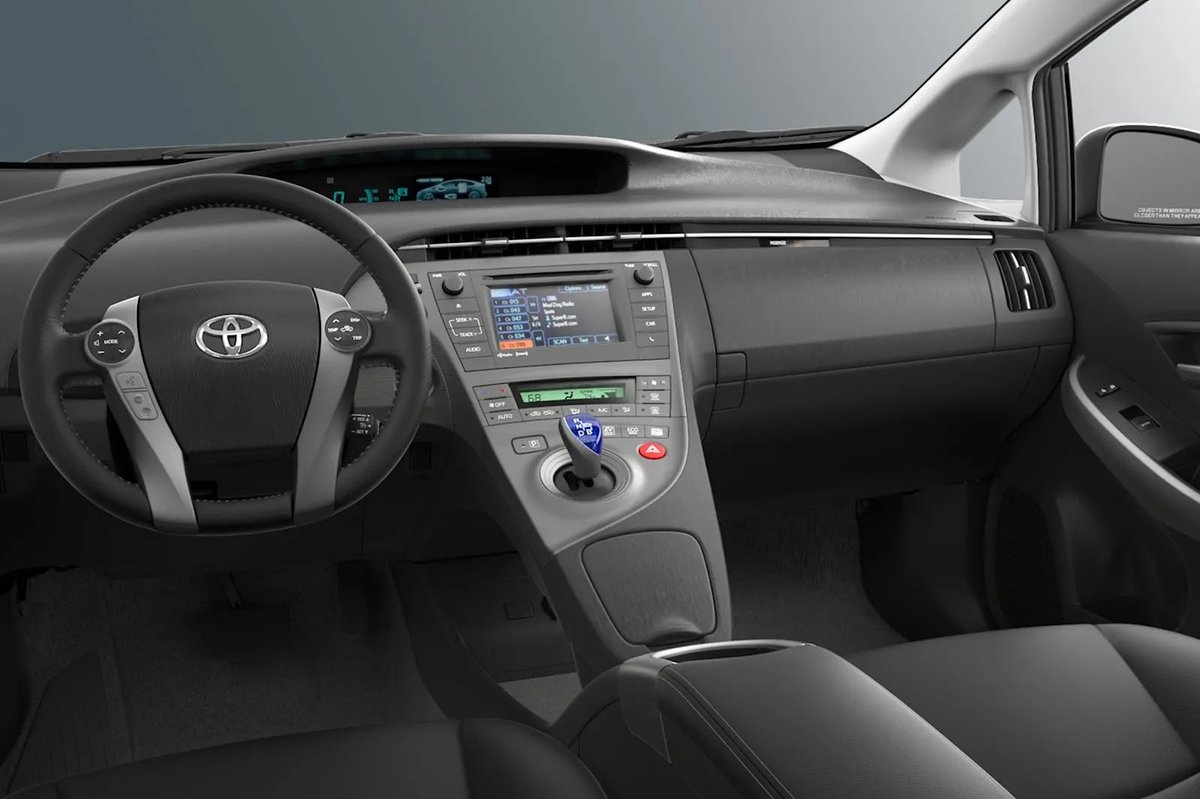
Operating the Prius is straightforward and rather serene. You push a 'Start' button, select 'D' on the automatic CVT gearbox, and often, you'll glide away in silent electric-only mode. The car is designed to prioritize EV mode whenever possible, especially at lower speeds. For short bursts, you can run on electric power alone for just over a mile at speeds up to 31mph, which is perfect for navigating parking lots or quiet residential streets. If you're curious about the mechanics, understanding how CVT transmissions work in a hybrid context offers great insight into this smooth operation.
Drivers also have the option to switch between ECO and Power modes. ECO softens throttle response and optimizes climate control to maximize fuel efficiency, while Power sharpens things up for better acceleration when needed.
The hybrid system itself is a marvel of integration. The electric motor seamlessly assists the petrol engine, provides power for EV mode, and acts as a generator to recharge the high-voltage battery. A clear energy flow diagram on the dashboard gives you a real-time visual of what’s happening, making you feel more connected to the car's efficiency.
Mastering Regenerative Braking
A key feature of any hybrid is regenerative braking, and the XW30 makes it intuitive. As you slow down, the electric motor acts as a generator, converting kinetic energy back into electricity to charge the battery. This not only improves efficiency but also reduces wear on the conventional brakes.
For even more aggressive energy recovery, you can shift the gear lever to 'B' mode. This provides increased engine braking (or rather, increased regeneration through the motor), which is particularly useful on long downhill stretches to prevent overheating your brakes and maximize battery charge. There are significant the benefits of regenerative braking that extend beyond just fuel economy, contributing to overall system longevity.
What to Watch For: The Used XW30 Buyer's Guide
While the MK3 Prius is celebrated for its robust reliability, no car is entirely without its quirks. Knowing what to look for can save you headaches down the line.
The 2010 Oil Consumption Issue
Some early 2010 models of the XW30 were known to exhibit excessive engine oil use. This was a recognized issue, and many affected vehicles would have been addressed under warranty or recall. If you're looking at a 2010 model, it's crucial to check service records to see if this issue was ever reported or rectified. A clean bill of health or documented repair provides peace of mind.
Infotainment Touchscreen Woes
While generally minor, some owners have reported issues with the infotainment touchscreen, ranging from unresponsiveness to calibration problems. Test all functions of the screen thoroughly during your inspection. Ensure navigation (if equipped) works correctly, and that all buttons and touch zones respond as they should.
Tyre Wear and Brake Adaptation
The XW30 often comes with relatively skinny, low-rolling-resistance tyres designed for efficiency. These can sometimes wear quickly, especially if tyre pressures aren't maintained or if the alignment is off. Always inspect tyre tread depth evenly across all four wheels.
The regenerative brakes, while efficient, do have a different feel than conventional brakes. They can feel a bit 'grabby' or inconsistent to drivers not used to them. It's not a fault, but something to adapt to. During a test drive, pay attention to the brake pedal feel; ensure there's no grinding or excessive vibration that would indicate an issue with the conventional braking components.
The Importance of Service History
For any used car, a fully stamped service history is invaluable. For a hybrid, it’s even more critical. While the Prius is known for being remarkably trouble-free, regular maintenance ensures the hybrid system, including the battery and inverter, operates optimally. This is where hybrid car maintenance tips become particularly relevant, confirming that previous owners followed Toyota's recommended schedules. This history confirms not just oil changes but also checks on the hybrid cooling systems and other vital components.
Parts Affordability
Toyota parts, especially for a high-volume model like the Prius, are generally affordable. This is a significant advantage for used car ownership. For example, a drive belt might cost around £15, an ignition coil around £100, and even a bonnet around £120. This makes routine maintenance and unexpected repairs less burdensome on your wallet.
Battery Longevity: A Common Concern
One of the most frequent questions from prospective used Prius buyers is about the hybrid battery's lifespan. While it's a valid concern, the reality is that Toyota's hybrid batteries have proven to be incredibly durable, often lasting well over 150,000 to 200,000 miles, sometimes even longer, if properly maintained. The car's intelligent management system constantly monitors the battery, never fully charging or discharging it, which significantly extends its life. For a deeper dive into this, you might find it useful to spend some time understanding Prius battery life.
Driving Dynamics: Balanced for the Real World
Let's be clear: the Third Generation Prius was not designed to be a sports car. It's built on a modified Toyota Avensis chassis and uses a simpler torsion beam rear suspension. You'll notice a slightly vague electric steering feel, and the 1.8L engine doesn't feature variable valve lift for maximum enthusiast appeal.
However, to judge it solely on performance metrics would be missing the point. For its intended purpose – comfortable, efficient, and reliable daily transport – the XW30 excels. It offers exemplary refinement for its class, with a quiet cabin and a smooth ride that soaks up road imperfections effectively. The handling is sure-footed and predictable, making it a safe and undemanding companion for commutes and long trips alike.
As a used car, the XW30 beautifully reconciles the desire for an eco-friendly conscience with the need for everyday usability. It addresses previous ownership drawbacks with reasonable driving dynamics, a roomy cabin, and a user-friendly design. It truly is a justified purchase even if environmental motivations aren't your top priority.
The Plug-in Prius: A Brief Detour
In 2012, Toyota introduced a Plug-in version of the XW30. This model allowed for a longer electric-only range by enabling external charging. However, it faced slow sales due to its higher price tag and still somewhat restricted electric-only range compared to dedicated EVs entering the market. While it offered an interesting glimpse into the future, as a used car, the standard XW30 hybrid generally offers better value and a simpler proposition for most buyers. The the evolution of the Toyota Prius clearly shows how Toyota experimented with different technologies and market needs over time.
Smart Shopping: Your Pre-Purchase Checklist
When you’re seriously considering an XW30, beyond the service history, here’s a focused checklist:
- Test Drive:
- Cold Start: Listen for any unusual noises from the engine (e.g., ticking, rattling) when the petrol engine first kicks in.
- Hybrid Transition: Pay attention to how smoothly the car transitions between electric and petrol power, both accelerating and decelerating. Any jerking or hesitation could indicate an issue.
- Brakes: Test the brakes thoroughly, both for stopping power and pedal feel. Ensure the regenerative system feels consistent.
- Steering: Check for any play, grinding, or excessive looseness in the steering.
- Modes: Test both ECO and Power modes to ensure they engage and feel distinct.
- Interior Inspection:
- Infotainment: As mentioned, thoroughly test the touchscreen, navigation, and all audio functions.
- HVAC: Ensure the air conditioning blows cold and the heating works effectively.
- Warning Lights: Verify that no persistent warning lights are on the dashboard (e.g., check engine, hybrid system warning).
- Seats & Upholstery: Check for excessive wear, tears, or stains, especially on the driver’s seat.
- Exterior Inspection:
- Tyres: Inspect tread depth and even wear across all tyres. Look for any damage to the sidewalls or rims.
- Bodywork: Check for rust, significant dents, or signs of accident repair. Pay attention to panel gaps for consistency.
- Lights: Test all exterior lights, including headlights, taillights, indicators, and brake lights.
- Under the Hood:
- Fluid Levels: Check engine oil (look for correct level and color), coolant, and brake fluid.
- Leaks: Look for any signs of fluid leaks around the engine or transmission.
- Hoses & Belts: Inspect for cracks, fraying, or excessive wear.
The Enduring Appeal: Why the XW30 Still Shines
In a world increasingly focused on the latest technology, the Third Generation Toyota Prius (XW30) stands out as a testament to solid engineering and thoughtful design. It’s a used car that continues to deliver exceptional fuel economy, remarkable reliability, and surprising practicality, all wrapped in a package that’s both unassuming and undeniably effective.
If you’re seeking a dependable, economical, and spacious vehicle that won’t break the bank to buy or run, the XW30 remains one of the smartest choices on the used market. It���s a car that transcends its "green" label to simply be a great everyday vehicle, offering immense value and peace of mind for years to come. Do your homework, find a well-maintained example, and you’ll likely find yourself with a faithful companion that quietly excels at everything you ask of it.