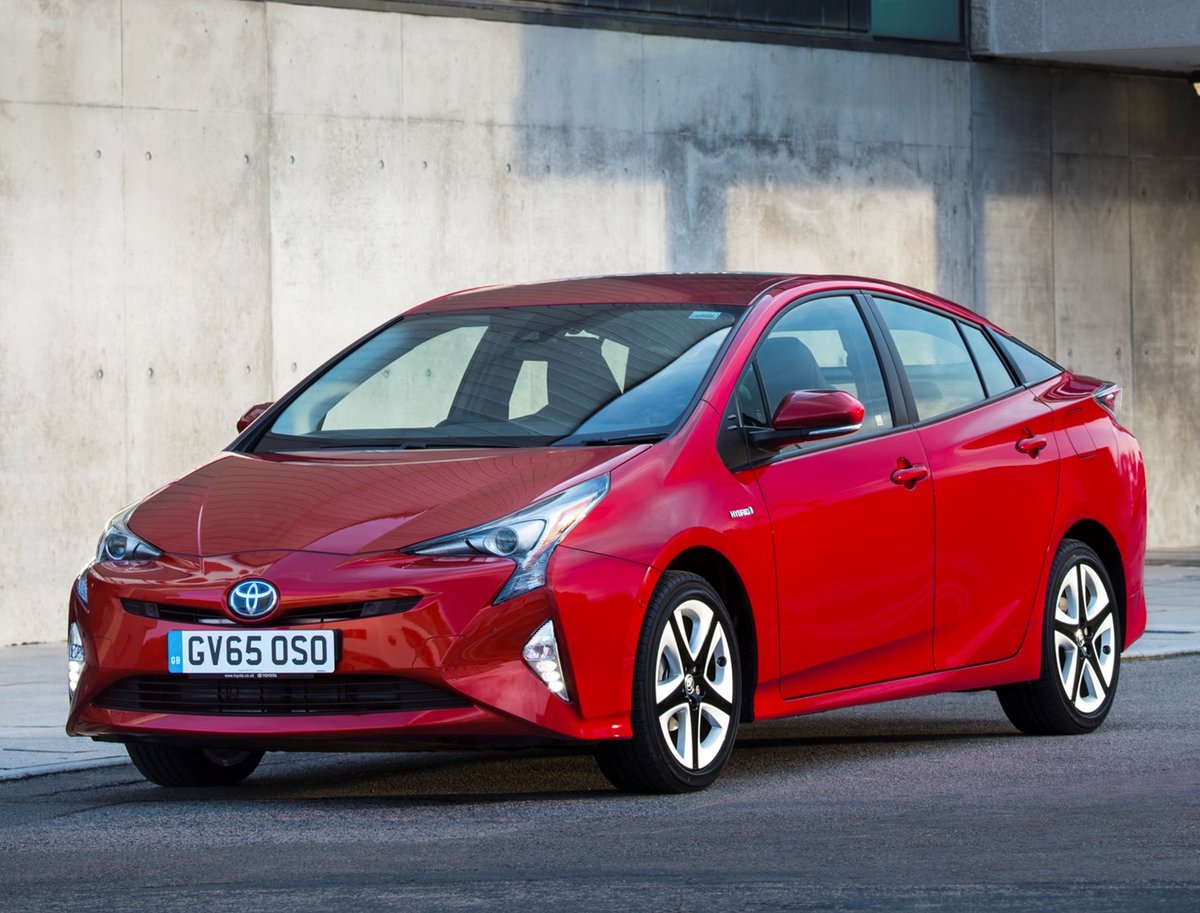
When it comes to hybrid cars, the Toyota Prius is more than just a name; it’s a global phenomenon, a standard-bearer that helped usher in a new era of fuel efficiency. For many, the fourth-generation Toyota Prius (XW50), produced from 2016 to 2022, represents a significant, albeit sometimes controversial, chapter in this iconic vehicle's story. If you're considering this generation for its undeniable blend of practicality and legendary fuel economy, you've landed in the right place. This comprehensive review will cut through the noise, offering an expert perspective on what makes the XW50 a compelling choice, along with key insights to help you make an informed decision.
At a Glance: The Fourth-Gen Prius XW50
- Model Years: 2016-2022
- Key Identity: Toyota's commitment to hybrid technology, evolving its foundational model.
- Powertrain: Primarily a 1.8L 4-cylinder gasoline engine paired with Toyota's Hybrid Synergy Drive system.
- Combined Horsepower: 121 hp (rated for the main hybrid system).
- Transmission: Electronically controlled Continuously Variable Transmission (eCVT).
- Fuel Economy: Class-leading for its time, often exceeding 50 MPG combined.
- Design: Introduced a much "edgier" and "divisive" aesthetic compared to its predecessors.
- Key Improvements: Better driving position, increased cabin space, larger trunk, and improved handling.
- Facelift (2019): Softened exterior lines, introduced optional AWD-e.
- Why Consider It: Exceptional fuel economy, renowned reliability, practical interior, good value on the used market.
A Legacy of Innovation: Where the XW50 Fits
Toyota didn’t just invent the mass-produced hybrid; it perfected it over decades. The Prius story began in Japan in 1997, evolving through several iterations before the XW50 arrived. From the pioneering XW10 of the early 2000s, which bravely introduced hybrid technology to North America, to the increasingly popular XW20 and XW30 generations that followed, each Prius built on the last, cementing Toyota’s reputation for reliability and efficiency. If you want to dive deeper into how this trailblazer evolved, you can explore the evolution of all Prius generations.
The fourth-generation XW50, launched for the 2016 model year, marked a departure in several ways. While it retained the core principles of efficiency and practicality, it sought to address criticisms of earlier models regarding driving dynamics and interior comfort. It was a significant step, albeit one that landed with a polarizing new look.
The Design Evolution: From Familiar to "Futuristic"
The most immediately striking aspect of the XW50 upon its debut was its exterior design. Toyota went bold, aiming for a more aerodynamic and visually distinctive look. This resulted in sharp angles, prominent creases, and a radically styled front and rear fascia that many found "edgy" or even "divisive." While some appreciated its futuristic flair, others yearned for the more understated lines of previous generations.
From 2016 to 2018, this assertive design defined the XW50. The headlights swept back dramatically, and the taillights featured a distinctive vertical orientation that cascaded down the rear. While these elements contributed to an impressive drag coefficient (as low as 0.24 Cd), enhancing fuel efficiency, they were definitely a love-it-or-hate-it proposition.
Then came the 2019 facelift. Responding to market feedback, Toyota "tempered" the exterior appearance, especially at the front and rear. The vertical taillights were replaced with more conventional horizontal units, and the front bumper and headlights were subtly reshaped to create a less aggressive, more harmonious look. This revision was generally well-received, making the later XW50 models a bit more palatable to a broader audience without sacrificing the underlying aerodynamic benefits.
Under the Hood: The Heart of the Hybrid System
At its core, the XW50 Prius continued to rely on Toyota’s tried-and-true Hybrid Synergy Drive (HSD) system, a sophisticated combination of a gasoline engine and electric motors.
The Powertrain Specifics
The XW50 featured a revised 1.8-liter 2ZR-FXE Atkinson-cycle four-cylinder engine. While the previous XW30 generation also used a 1.8L, the XW50's version was optimized for even greater thermal efficiency, achieving a remarkable 40% thermal efficiency (up from 38.5%). This meant more of the fuel's energy was converted into power, and less was wasted as heat.
Combined with lighter, more compact electric motors and a new nickel-metal hydride battery pack (or a lithium-ion pack in some higher trims), the total system output was rated at 121 horsepower. While this figure was slightly lower than the XW30's 134 hp, the XW50 actually felt a bit quicker off the line thanks to improved electric motor torque delivery and a lighter chassis. Still, it wasn't a powerhouse by any stretch; Toyota's focus remained squarely on efficiency.
Fuel Economy: The XW50's True Calling
This generation of Prius consistently delivered segment-leading fuel economy. Most trims were rated around 52-54 MPG combined (city/highway), with the "Eco" trim often pushing this number to an astounding 56 MPG combined. For drivers prioritizing minimal trips to the gas station, the XW50 was, and remains, incredibly compelling.
The AWD-e Option: A Game Changer for Some
A significant addition with the 2019 facelift was the availability of the AWD-e (all-wheel-drive) system. This wasn't a traditional mechanical AWD; instead, it used a separate, independent electric motor to power the rear wheels when extra traction was needed, primarily at speeds up to 43 mph. This system offered a welcome boost in confidence for drivers in snowy or slippery conditions without significantly compromising fuel efficiency. It’s a testament to Toyota's continuous innovation in hybrid technology, offering a practical solution for adverse weather. For those who frequently encounter challenging driving conditions, understanding Toyota's innovative AWD-e system can be a crucial factor in their decision.
Driving Dynamics: A Step in the Right Direction
Previous generations of the Prius were often criticized for their uninspired driving dynamics. With the XW50, Toyota made a concerted effort to improve this. Built on the new Toyota New Global Architecture (TNGA) platform (specifically, the GA-C version), the XW50 boasted several enhancements:
- Lower Center of Gravity: The battery pack was relocated under the rear seats, and the engine was positioned lower, contributing to better balance and reduced body roll.
- Improved Suspension: A new double-wishbone rear suspension replaced the old torsion beam setup, leading to a more comfortable ride and better handling characteristics.
- Enhanced Steering Feel: While still not sporty, the steering felt more direct and responsive than before.
- Better Driving Position: Drivers found a more conventional and comfortable seating position, addressing a common complaint from earlier models.
While the XW50 still wouldn't win any races, it was notably more engaging to drive than its predecessors. It felt more planted, rode more smoothly, and offered a greater sense of control, making long journeys more pleasant.
Interior: Practicality Meets Modernity
Inside, the XW50 maintained the Prius tradition of spaciousness and practicality, but with a refined touch.
Cabin Space and Comfort
Despite the sleeker exterior, interior passenger space was generous, especially for front and rear occupants. The new TNGA platform allowed for better packaging, contributing to a feeling of openness. The seats were redesigned for better support, and the "better driving position" mentioned earlier made a real difference in driver comfort.
Trunk Space
One of the Prius's enduring strengths has always been its cargo capacity, thanks to its hatchback design. The XW50 continued this trend, offering a substantial trunk that was actually larger than the XW30, providing ample room for luggage, groceries, or gear. The folding rear seats further enhanced its versatility.
Technology and Features
The XW50's interior technology evolved throughout its production run:
- Dash Layout: The signature centrally mounted digital instrument cluster remained, but it was updated with sharper graphics and more customizable information displays.
- Infotainment: Early XW50 models featured a touchscreen infotainment system, but the 2019 facelift brought a larger, more modern screen with improved graphics and responsiveness. Apple CarPlay and Android Auto compatibility were gradually introduced (Apple CarPlay starting with the 2020 model year, Android Auto for 2021).
- Safety: Toyota Safety Sense P (TSS-P) became standard on all XW50 models, including adaptive cruise control, lane departure alert, automatic high beams, and pre-collision system with pedestrian detection. This suite of advanced safety features was a significant selling point, providing peace of mind for drivers and passengers.
While the interior design also echoed the exterior's "edgy" theme in some elements (like the gear selector and dash lines), the overall impression was one of functional modernity and thoughtful ergonomics.
The Prius Prime: Plug-in Power
It's also worth noting that the XW50 generation introduced the Prius Prime, a plug-in hybrid electric vehicle (PHEV) variant. The Prime offered a larger battery pack, allowing for a significant all-electric driving range (around 25 miles initially, improving with later models) before switching to traditional hybrid operation. This made it an attractive option for commuters with access to charging, effectively offering the best of both worlds: electric driving for daily errands and hybrid efficiency for longer trips. For those interested in maximizing their electric range, a a closer look at the Prius Prime plug-in hybrid variant can provide more detailed information.
Long-Term Ownership: Reliability and Maintenance
Toyota's reputation for reliability is almost legendary, and the XW50 Prius largely upholds this. These cars are built to last, with many owners reporting trouble-free operation for hundreds of thousands of miles.
Common Ownership Considerations
While generally robust, there are a few things prospective XW50 owners should be aware of:
- Hybrid Battery Longevity: The nickel-metal hydride battery packs in most XW50s (some higher trims got Li-ion) are designed to last the life of the vehicle, often well beyond 150,000 miles. However, like any battery, they will eventually degrade. Toyota offers a generous warranty, but on the used market, it's a good idea to inquire about battery health, especially on very high-mileage examples. Understanding hybrid battery maintenance and replacement considerations can help set expectations.
- Brake Wear: Thanks to regenerative braking, brake pads and rotors often last significantly longer in a hybrid than in a conventional car. This means lower maintenance costs in one area.
- Road Noise: While improved over previous generations, the XW50 can still exhibit some road noise, especially at highway speeds. This is a common trade-off for its efficient, low-rolling-resistance tires and aerodynamic design.
- Maintenance: Routine maintenance for the XW50 is similar to any conventional gasoline car, with the added benefit of the hybrid system requiring less frequent brake service. Adhering to the manufacturer's recommended service schedule is key to longevity. You can find more comprehensive essential hybrid car maintenance tips to ensure your Prius stays in top shape.
Overall, the XW50 is an inexpensive car to own and operate, making it a favorite among ride-share drivers and budget-conscious commuters alike.
Who is the Fourth-Gen Prius XW50 For?
The XW50 is an excellent choice for a variety of drivers:
- The Fuel Economy Fanatic: If your top priority is squeezing every last mile out of a gallon of gas, the XW50 is hard to beat.
- The Commuter: Its comfortable ride, quiet electric-only operation at low speeds, and advanced safety features make it an ideal daily driver.
- The Practical Family: With ample cargo space and good passenger room, it can comfortably handle family duties, grocery runs, and road trips.
- The Eco-Conscious Driver: For those looking to reduce their carbon footprint without fully committing to an electric vehicle, the Prius offers a proven, efficient alternative.
- The Budget-Minded Buyer: As a used vehicle, the XW50 offers exceptional value, providing modern features and outstanding efficiency at an attractive price point.
- Drivers in Colder Climates (2019+ AWD-e models): The optional all-wheel-drive system expands its appeal to those who need a bit more traction during winter months.
It's less suited for drivers seeking thrilling performance or a luxurious, whisper-quiet cabin, but for its intended purpose, it excels.
Making Your Decision: What to Look For When Buying a Used XW50
If you're in the market for a used fourth-gen Prius, here's what to consider:
- Mileage and Service History: Higher mileage isn't necessarily a dealbreaker for a Prius, but a complete service record is crucial. Look for evidence of regular oil changes, tire rotations, and general maintenance.
- Hybrid Battery Health: While difficult to assess without specialized tools, look for any warning lights on the dash. A pre-purchase inspection by a Toyota specialist or a mechanic familiar with hybrids is highly recommended to get a snapshot of the battery's condition.
- Facelift vs. Pre-Facelift: Decide if the original "edgy" design (2016-2018) or the "tempered" look with available AWD-e (2019-2022) is more to your liking and needs.
- Trim Levels: Prius models came in various trims (Two, Three, Four, and their "Touring" counterparts, plus the "Eco" and "Limited" trims later on). Higher trims offer features like heated seats, larger infotainment screens, premium audio, and more advanced safety tech. Consider which features are important to you.
- Tire Condition: Low-rolling-resistance tires are specific to the Prius and contribute to its efficiency. Check for even wear and ensure they're in good condition.
- Recalls: Check the vehicle's VIN for any open recalls that may need addressing.
The XW50 represents a sweet spot for many buyers: modern enough to feel current, efficient enough to save significant money at the pump, and reliable enough to offer peace of mind.
Final Word: The Enduring Appeal of the Fourth-Gen Prius
The fourth-generation Toyota Prius (XW50) stands as a testament to Toyota's unwavering commitment to hybrid technology and practical, efficient motoring. While its polarizing initial design may have ruffled some feathers, its underlying improvements in driving dynamics, interior comfort, and, crucially, its stellar fuel economy solidified its place as a formidable contender in the compact hybrid segment.
Whether you're drawn to its unparalleled efficiency, its spacious and versatile interior, or its proven track record of reliability, the XW50 offers a compelling package. It’s a smart, pragmatic choice for anyone looking to navigate the roads with minimal fuss and maximum economy. By understanding its strengths and minor considerations, you can confidently select a Fourth Generation Toyota Prius that will serve you well for years to come.